
Fire & Life Safety Training
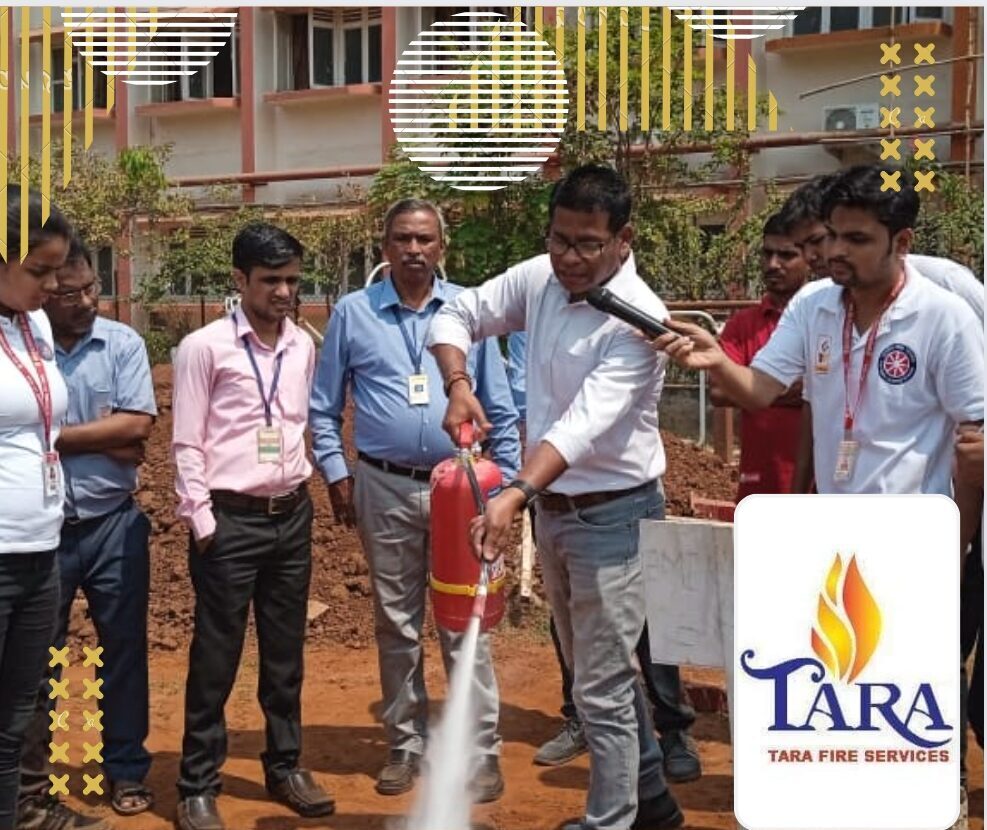
Fire and safety training is crucial for preventing accidents, minimizing injuries, and ensuring the protection of individuals and property in various settings. Here are some key points to cover in fire and safety training:
Fire Prevention: Emphasize the importance of fire prevention measures such as proper storage of flammable materials, regular maintenance of electrical systems, and safe handling of combustible materials.
Emergency Procedures: Train individuals on the appropriate steps to take in case of a fire emergency, including how to raise the alarm, evacuate the premises safely, and use firefighting equipment such as fire extinguishers.
Evacuation Routes: Ensure that all personnel are familiar with evacuation routes and assembly points in case of an emergency. Conduct regular drills to practice evacuation procedures.
Fire Extinguisher Training: Teach employees how to properly select and use fire extinguishers based on the type of fire (Class A, B, C, or D). Provide hands-on training whenever possible.
Emergency Contacts: Make sure all employees know whom to contact in case of a fire or other emergency, including emergency services and designated personnel within the organization.
Hazardous Materials Handling: Train workers on the safe handling, storage, and disposal of hazardous materials to prevent fires and minimize risks to health and safety.
Electrical Safety: Educate employees about electrical hazards and safe practices for using electrical equipment, including proper cord management, avoiding overloading circuits, and using ground fault circuit interrupters (GFCIs).
Smoke Alarms and Detection Systems: Explain the importance of maintaining smoke alarms and detection systems, including regular testing and battery replacement.
First Aid Training: Provide basic first aid training to employees so they can respond effectively to injuries or medical emergencies that may occur during a fire incident.
Fire Safety Culture: Foster a culture of fire safety within the organization by encouraging reporting of hazards, participation in safety initiatives, and continuous improvement of safety protocols.
Emergency Response Plan: Develop and communicate a comprehensive emergency response plan that outlines roles and responsibilities, communication procedures, and steps to be taken in various emergency scenarios.
Regular Review and Updates: Fire and safety training should be an ongoing process, with regular reviews of procedures and updates to training materials based on changes in regulations, technology, or organizational structure.
By covering these points in fire and safety training programs, organizations can help to ensure that employees are prepared to prevent, respond to, and mitigate the impacts of fire emergencies effectively.