
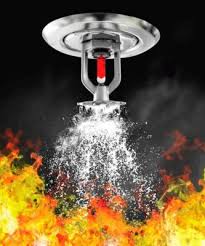
Fire sprinkler systems are a crucial component of fire protection in buildings. They are designed to suppress or extinguish fires automatically in their early stages, helping to minimize property damage, protect lives, and provide valuable time for occupants to evacuate safely. Here’s some essential information about fire sprinkler systems:
Components: A typical fire sprinkler system consists of sprinkler heads, piping, a water supply, and a control valve. Sprinkler heads are strategically placed throughout a building, and each head is connected to a network of pipes that carry water. The control valve regulates water flow, and there may also be an alarm system connected to alert occupants and emergency responders in case of activation.
Types of Sprinkler Systems:
- Wet Pipe Systems: These are the most common type, where water is constantly present in the piping network, ready to discharge immediately upon activation of the sprinkler heads.
- Dry Pipe Systems: In areas where freezing temperatures are a concern, dry pipe systems are used. These systems are filled with compressed air instead of water, and water is released into the piping only when a sprinkler head activates.
- Pre-action Systems: These systems are typically used in areas where water damage is a concern, such as museums or data centers. Water is held back by a pre-action valve, and the system is activated only when both the fire detection system and a sprinkler head are triggered.
- Deluge Systems: In high hazard areas like chemical storage facilities, deluge systems are used. All sprinkler heads are open, and once the system is activated, water is released simultaneously from all heads.
Operation: When a fire occurs, the heat from the fire activates one or more sprinkler heads in the affected area. Each sprinkler head operates individually, releasing water only at the location of the fire, thus minimizing water damage to unaffected areas.
Maintenance: Regular maintenance and inspection are essential to ensure the proper functioning of fire sprinkler systems. This includes checking for leaks, ensuring adequate water pressure, inspecting sprinkler heads, and verifying that control valves are operational.
Benefits:
- Early fire suppression: Sprinkler systems can control or extinguish fires in their early stages, often before firefighters arrive on the scene.
- Property protection: They help minimize property damage by containing fires to their area of origin.
- Life safety: Sprinkler systems provide occupants with valuable time to evacuate safely in the event of a fire.
- Insurance benefits: Buildings equipped with fire sprinkler systems may be eligible for lower insurance premiums due to the reduced risk of fire damage.
Overall, fire sprinkler systems play a critical role in fire safety and are an important investment for any building or facility.