
Design and Installation:
- Fire hydrant systems are designed and installed according to local building codes and fire safety regulations. Factors such as building size, occupancy, and fire risk are taken into account during the design phase.
- Hydrants are strategically placed throughout a building or community to ensure adequate coverage and accessibility for firefighting operations.
- Installation typically involves excavation for laying underground pipes, anchoring hydrants securely in place, and connecting the system to a reliable water source.
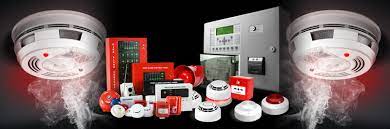
Alarm systems may be wired or wireless, with wireless systems offering easier installation and flexibility in sensor placement. They can also vary in complexity and features, ranging from basic intrusion detection to comprehensive systems that integrate with other security devices like cameras and access control systems.
In addition to security, alarm systems can provide peace of mind to users by offering protection against threats such as fire, carbon monoxide poisoning, and medical emergencies through the use of specialized sensors and monitoring services.