
Introduction
In the tapestry of modern civilization, where technology and infrastructure have become integral, the risk of fire incidents has simultaneously increased. Whether in homes, offices, industrial settings, or public spaces, the threat of fire looms, potentially leading to devastating consequences. Amidst the various safety measures implemented to mitigate this risk, fire extinguishers stand out as one of the most critical tools. This blog explores the importance of fire extinguishers in human life, delving into their history, functionality, types, and the essential role they play in safeguarding lives and property.
The History and Evolution of Fire Extinguishers
The concept of fire suppression dates back thousands of years, but the invention of the modern fire extinguisher is relatively recent. The first recorded use of a primitive fire extinguisher dates back to the 2nd century B.C., when Ctesibius of Alexandria invented a hand pump to spray water on fires. However, the first patent for a fire extinguisher was granted in 1723 to Ambrose Godfrey, a chemist in England. His device consisted of a cask of extinguishing liquid and a gunpowder fuse, which would detonate and spread the liquid over the fire.
Over the centuries, fire extinguishers have evolved significantly. The 19th century saw the introduction of the carbon dioxide (CO2) extinguisher, and the 20th century brought about the development of dry chemical extinguishers. Today, fire extinguishers come in various types and sizes, each designed to combat different classes of fires. This evolution reflects the growing understanding of fire behavior and the need for effective fire suppression tools.
Types of Fire Extinguishers
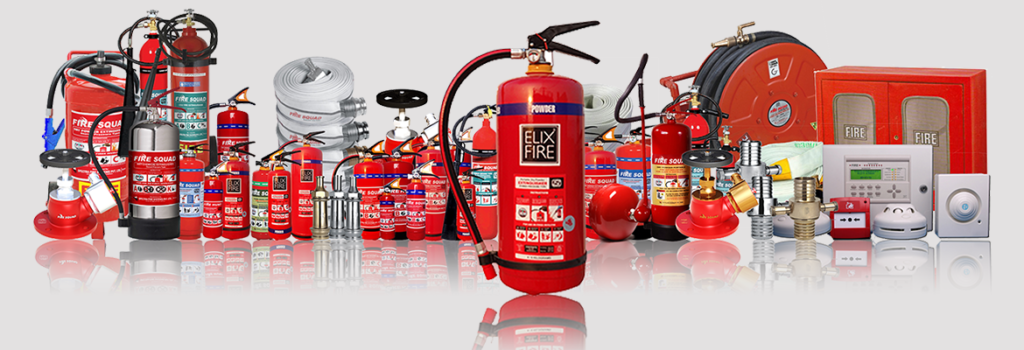
To appreciate the importance of fire extinguishers, it’s crucial to understand the different types available and their specific uses. Fires are classified into five categories: A, B, C, D, and K, based on the type of fuel involved. Correspondingly, fire extinguishers are designed to tackle these specific fire classes:
- Class A Extinguishers: These are used for ordinary combustibles like wood, paper, and cloth. They typically contain water or foam.
- Class B Extinguishers: Designed for flammable liquids such as gasoline, oil, and alcohol, these extinguishers contain agents like foam, CO2, or dry chemicals.
- Class C Extinguishers: Suitable for electrical fires, these extinguishers use non-conductive agents like CO2 or dry chemicals to avoid conducting electricity.
- Class D Extinguishers: These are specialized for metal fires, such as those involving magnesium or sodium. They contain powdered agents like sodium chloride.
- Class K Extinguishers: Used for kitchen fires involving cooking oils and fats, these extinguishers contain wet chemical agents to prevent re-ignition.
Understanding the appropriate use of each type is vital for effective fire suppression. For instance, using water on a Class B fire can spread the flammable liquid, exacerbating the situation. Therefore, proper training and knowledge are as crucial as the availability of the extinguisher itself.
The Importance of Fire Extinguishers in Human Life
1. Immediate Response to Fire
One of the primary benefits of fire extinguishers is their ability to provide an immediate response to a fire outbreak. In many instances, the difference between a minor fire and a major disaster is the speed of the initial response. Fire extinguishers offer a quick and efficient way to control or extinguish a fire before it escalates. This rapid response can be crucial in preventing injuries, fatalities, and significant property damage.
2. Protection of Lives and Property
Fire extinguishers play a vital role in protecting both lives and property. In residential settings, a fire extinguisher can be the first line of defense against a small kitchen fire, preventing it from spreading and endangering the lives of occupants. In commercial and industrial settings, extinguishers are essential for safeguarding employees, customers, and valuable assets. The ability to quickly extinguish a fire can save businesses from financial ruin and protect critical infrastructure.
3. Compliance with Safety Regulations
In many jurisdictions, fire safety regulations mandate the presence of fire extinguishers in buildings, vehicles, and other public spaces. Compliance with these regulations is not only a legal requirement but also a moral obligation to ensure the safety of individuals. Regular inspection and maintenance of fire extinguishers are essential to meet these standards and ensure they are functional when needed.
4. Peace of Mind
The mere presence of a fire extinguisher can provide peace of mind to individuals in various settings. Knowing that there is a tool available to combat a fire in its early stages can alleviate anxiety and create a sense of security. This psychological benefit is particularly important in environments where vulnerable populations, such as children and the elderly, are present.
5. Environmental Protection
Fires can have devastating environmental consequences, releasing toxic gases and pollutants into the air and contaminating water sources. By effectively controlling and extinguishing fires, fire extinguishers help minimize these environmental impacts. Moreover, certain types of extinguishers, such as those using clean agents, are designed to suppress fires without leaving harmful residues, further protecting the environment.
Proper Use and Maintenance of Fire Extinguishers
While the importance of fire extinguishers is undeniable, their effectiveness depends on proper use and maintenance. The following best practices ensure that fire extinguishers are ready and effective when needed:
1. Training and Awareness
Proper training in the use of fire extinguishers is crucial. The PASS technique—Pull the pin, Aim at the base of the fire, Squeeze the handle, and Sweep from side to side—provides a simple yet effective method for operating most extinguishers. Regular fire drills and safety training sessions can familiarize individuals with the location and proper use of extinguishers.
2. Regular Inspections
Fire extinguishers require regular inspections to ensure they are in working condition. Inspections should check for physical damage, pressure levels, and expiration dates. Some extinguishers may need to be recharged or replaced after use or after a certain period. Professional servicing should be conducted annually or as recommended by the manufacturer.
3. Accessibility
Fire extinguishers should be easily accessible and clearly marked. In emergencies, quick access can be the difference between containing a fire and allowing it to spread. Extinguishers should be placed in strategic locations, such as near exits, kitchens, and high-risk areas.
Conclusion
Fire extinguishers are indispensable tools in the fight against fire-related emergencies. Their ability to provide an immediate response, protect lives and property, ensure regulatory compliance, and offer peace of mind underscores their significance. As technology advances and our understanding of fire dynamics grows, fire extinguishers will continue to evolve, providing ever more effective solutions to fire safety challenges.
However, the presence of fire extinguishers alone is not enough. Proper training, regular maintenance, and a culture of safety awareness are essential to maximize their benefits. In the end, fire extinguishers are not just pieces of equipment; they are symbols of preparedness and the commitment to protecting life and property. By recognizing their importance and ensuring their proper use, we can create safer environments and reduce the devastating impact of fires on our communities.
This blog provides a comprehensive overview of the significance of fire extinguishers in human life, emphasizing their critical role in safety and preparedness.