
AMC-Annual Maintenance Contract
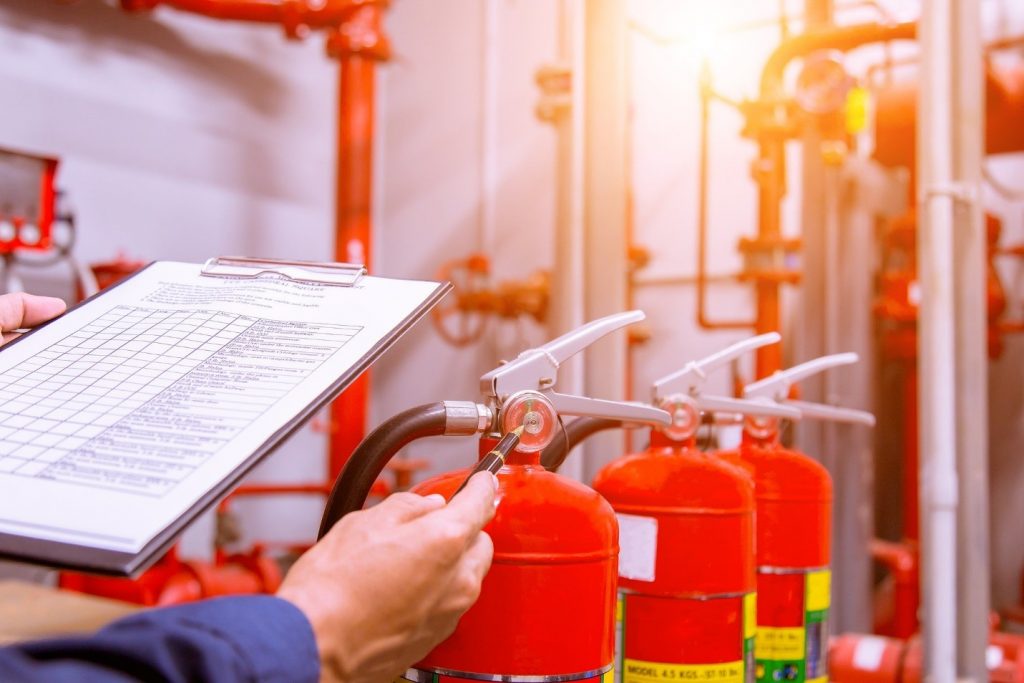
Annual maintenance of fire safety equipment is crucial to ensure their functionality and compliance with safety standards. Here’s a general overview of what typically goes into the annual maintenance of fire extinguishers, fire hydrant systems, fire alarm systems, and fire sprinkler systems:
Fire Extinguishers:
- Visual Inspection: Check for any physical damage, corrosion, or signs of tampering.
- Pressure Gauge Inspection: Ensure the pressure gauge indicates the extinguisher is pressurized within the recommended range.
- Weight Inspection: Weigh the extinguisher to ensure it’s within the specified weight range.
- Functional Test: Operate the extinguisher to verify it discharges properly.
- Maintenance Record: Document the inspection and any maintenance performed.
Fire Hydrant System:
- Visual Inspection: Check the hydrant valves, hoses, and fittings for damage or leaks.
- Flow Test: Test the water flow rate and pressure to ensure it meets the required standards.
- Valve Operation: Verify that all valves operate smoothly.
- Hydrant Accessibility: Ensure the hydrants are easily accessible and unobstructed.
- Maintenance Record: Document the inspection findings and any maintenance performed.
Fire Alarm System:
- Control Panel Inspection: Check the control panel for any fault indicators or alarms.
- Detector Testing: Test smoke detectors, heat detectors, and other sensors to ensure they are functional.
- Audible/Visual Alarm Test: Activate the alarm to ensure it sounds properly and that strobe lights (if present) are operational.
- Battery Check: Test backup batteries to ensure they can power the system during a power outage.
- Communication Test: If the system is connected to a monitoring service, verify communication.
- Maintenance Record: Document the results of all tests and any maintenance performed.
Fire Sprinkler System:
- Visual Inspection: Check sprinkler heads, pipes, and fittings for damage, corrosion, or obstructions.
- Water Flow Test: Test the flow of water through the sprinkler system to ensure adequate pressure and coverage.
- Valve Operation: Verify that all control valves operate properly.
- Alarm Testing: Test the sprinkler system alarm to ensure it activates when triggered.
- System Drainage: If applicable, drain any trapped water from low points in the system.
- Maintenance Record: Document all inspections, tests, and maintenance activities.
It’s important to note that while these are general guidelines, specific maintenance procedures may vary based on local regulations, manufacturer recommendations, and the type of system being inspected. It’s also advisable to hire qualified professionals or certified technicians to perform the maintenance tasks to ensure compliance and safety.