
Introduction
Fire safety is a crucial aspect of ensuring the well-being of individuals and protecting property in any environment. Whether at home, in the workplace, or in public spaces, understanding and implementing fire safety measures can significantly reduce the risk of fire-related incidents. This blog will delve into the importance of fire safety, covering key topics such as fire prevention, preparedness, and response.
Fire Prevention: The First Line of Defense
Fire prevention is the proactive aspect of fire safety, aiming to stop fires before they start. This involves identifying potential fire hazards and implementing measures to eliminate or mitigate them.
Common Fire Hazards
- Electrical Equipment: Faulty wiring, overloaded circuits, and improper use of electrical devices can all lead to fires.
- Cooking: Unattended cooking is one of the leading causes of home fires. Grease fires can ignite quickly and spread rapidly.
- Heating Equipment: Portable heaters, fireplaces, and furnaces must be used correctly and maintained regularly.
- Smoking: Cigarettes, cigars, and other smoking materials can easily start fires if not disposed of properly.
- Flammable Materials: Improper storage of flammable liquids and gases poses a significant fire risk.
Preventive Measures
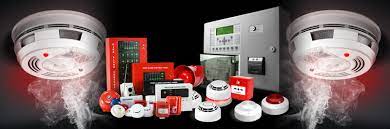
- Install Smoke Alarms: Smoke alarms should be installed on every level of a building and tested regularly.
- Regular Inspections: Conduct routine inspections of electrical systems, heating equipment, and other potential fire hazards.
- Safe Cooking Practices: Never leave cooking unattended and keep flammable items away from the stove.
- Proper Storage: Store flammable materials in approved containers and keep them away from heat sources.
- Educate and Train: Ensure that everyone in the household or workplace understands fire safety protocols and practices.
Preparedness: Being Ready for a Fire
Despite the best preventive measures, fires can still occur. Being prepared can make a significant difference in the outcome of a fire emergency.
Creating a Fire Safety Plan
A fire safety plan outlines the actions to be taken in case of a fire. It should include:
- Escape Routes: Identify at least two ways to exit every room in a building.
- Meeting Points: Designate a safe meeting place outside the building where everyone can gather.
- Emergency Contacts: Keep a list of emergency numbers, including local fire departments.
- Fire Drills: Conduct regular fire drills to practice the fire safety plan and ensure everyone knows what to do.
Fire Extinguishers and Their Use

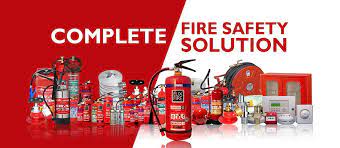
Having fire extinguishers readily available can help control small fires before they become unmanageable.
- Types of Fire Extinguishers: Different types of fire extinguishers are designed for different kinds of fires (A, B, C, D, and K). Ensure the appropriate type is accessible.
- Training: Ensure that everyone knows how to use a fire extinguisher using the PASS technique (Pull, Aim, Squeeze, Sweep).
Response: Taking Action During a Fire
When a fire occurs, quick and efficient action is crucial to ensure safety.
Steps to Take During a Fire
- Stay Calm: Panic can lead to poor decisions. Stay as calm as possible.
- Alert Others: Shout “Fire!” and activate the fire alarm if available.
- Evacuate Immediately: Use the nearest safe exit. Do not use elevators.
- Check Doors: Before opening a door, feel it with the back of your hand. If it’s hot, use an alternative exit.
- Stay Low: Smoke rises, so stay low to the ground to avoid inhaling smoke.
- Do Not Re-enter: Once out, do not go back inside for any reason. Inform firefighters if someone is trapped inside.
Helping Others
- Assist Those in Need: Help children, the elderly, and individuals with disabilities evacuate.
- Use Wet Cloths: If trapped, use a wet cloth to cover your nose and mouth to reduce smoke inhalation.
- Signal for Help: If you cannot exit, signal for help from a window or call emergency services.
Fire Safety in the Workplace
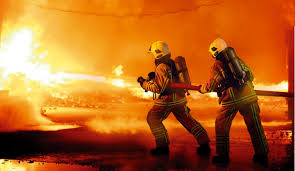
Workplaces have specific fire safety requirements due to the potential for large numbers of people being present and the variety of activities conducted.
Employer Responsibilities
- Compliance with Regulations: Ensure the workplace complies with local fire safety regulations.
- Fire Safety Equipment: Install and maintain fire alarms, sprinklers, and fire extinguishers.
- Employee Training: Provide regular fire safety training and conduct fire drills.
- Clear Pathways: Keep exits and pathways clear of obstructions.
Fire Safety at Home
Fire safety at home is vital as it protects loved ones and personal property.
Home Fire Safety Tips
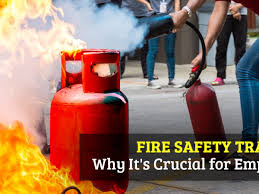
- Install and Test Alarms: Ensure smoke alarms and carbon monoxide detectors are installed and tested monthly.
- Plan and Practice: Create a home fire escape plan and practice it twice a year.
- Cooking Safety: Never leave cooking unattended and keep a fire extinguisher in the kitchen.
- Electrical Safety: Avoid overloading outlets and replace damaged cords.
- Heating Safety: Keep flammable items away from heaters and have chimneys cleaned annually.
Special Considerations for Children
- Teach Fire Safety: Educate children about the dangers of fire and the importance of fire safety.
- Role-Playing: Use role-playing to practice fire drills and evacuation procedures.
- Keep Lighters and Matches Out of Reach: Store these items in a secure place, out of children’s reach.
Fire Safety in Public Spaces
Public spaces such as schools, hospitals, and entertainment venues must have stringent fire safety measures in place.
Key Considerations
- Capacity Limits: Adhere to maximum occupancy limits to ensure safe evacuation.
- Clear Signage: Clearly mark exits and ensure they are unobstructed.
- Accessible Equipment: Fire safety equipment should be easily accessible and well-maintained.
- Staff Training: Train staff on emergency procedures and the use of fire safety equipment.
Conclusion
Fire safety is an essential aspect of ensuring the safety and well-being of individuals in any environment. By understanding fire hazards, implementing preventive measures, and being prepared to respond effectively, we can significantly reduce the risk of fire-related incidents. Regular training, inspections, and education are key components of a robust fire safety strategy. Remember, fire safety is everyone’s responsibility, and taking proactive steps can save lives and property.
By integrating these practices and fostering a culture of safety, we can create environments that are better prepared to handle fire emergencies, ensuring the protection of lives and assets.